
Plasma Active Dental Implant
Osseointegration is not a coincidence; it is the result of surface engineering.
4.42°
Contact angle — Plasma-Activated Surface
2–3 wks
Osseointegration time, suitable for early loading
75–85%
Bone-to-implant contact, observable by week 3
>97%
Clinical success rate
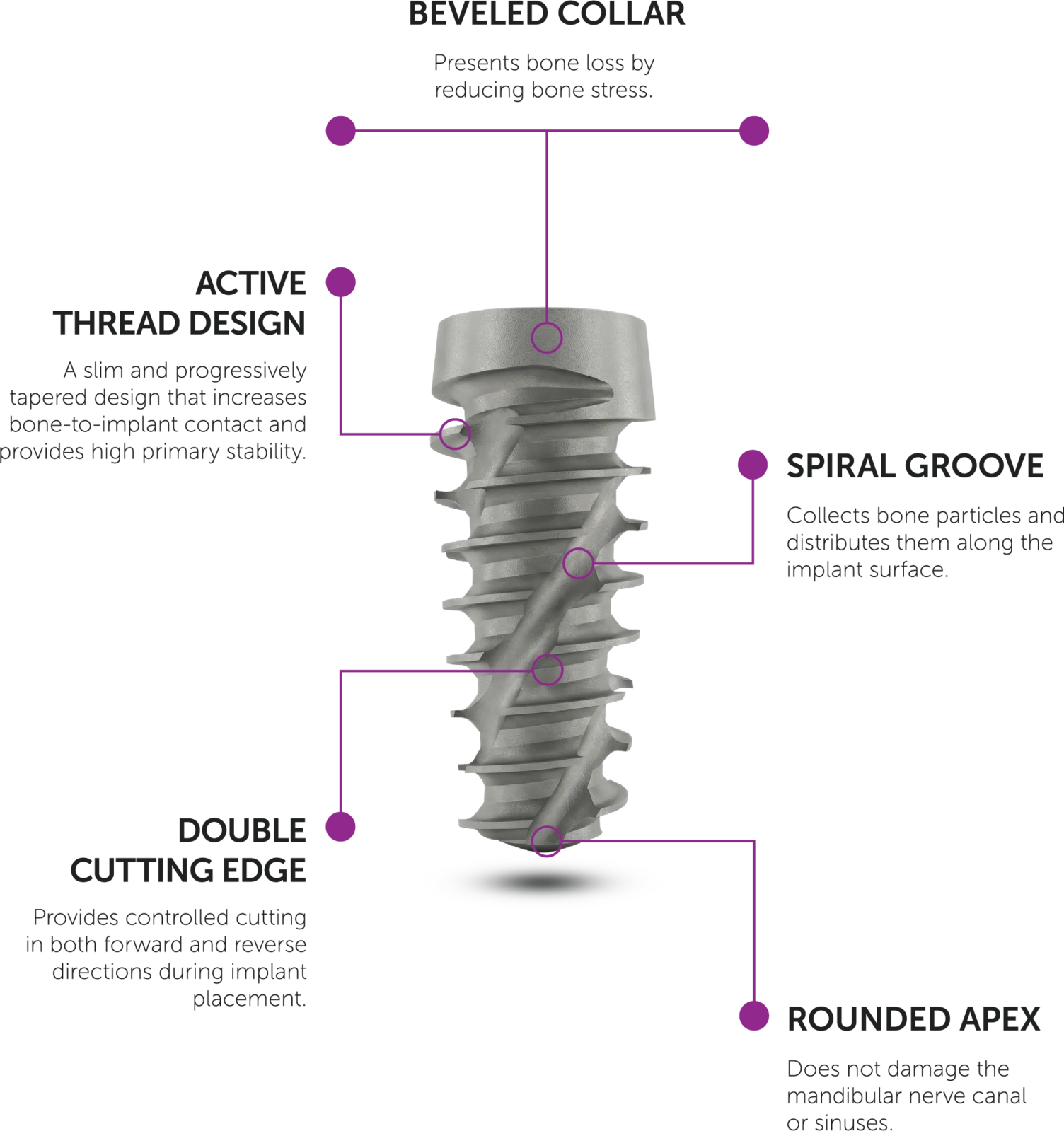
Engineered from collar to apex.
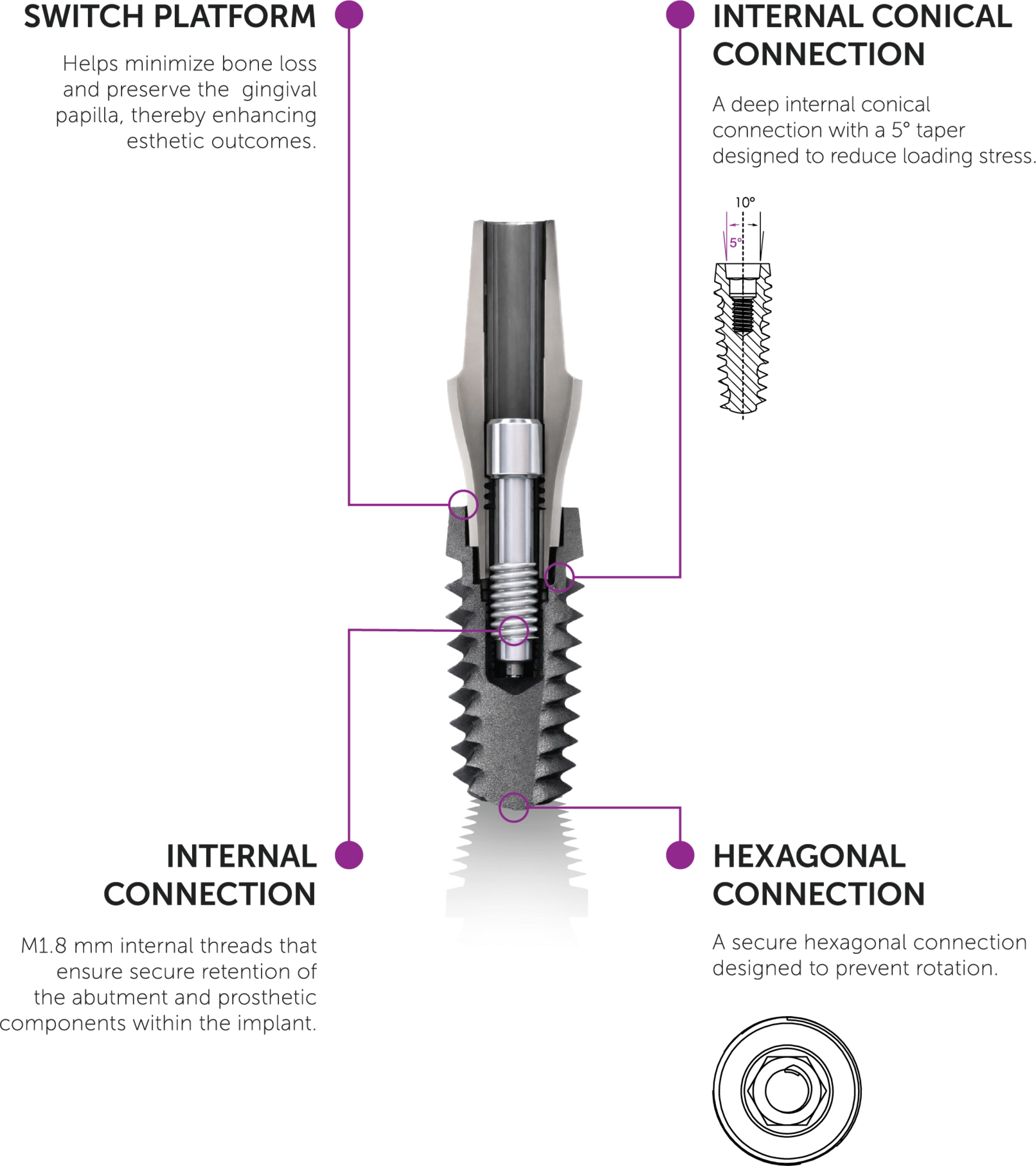
A connection built for stability.
Four connection features work together at the implant platform.
Beyond conventional SLA topography.
The Plasma-Activated Surface is developed using advanced plasma technology that goes beyond conventional SLA topography, biologically activating the surface energy.
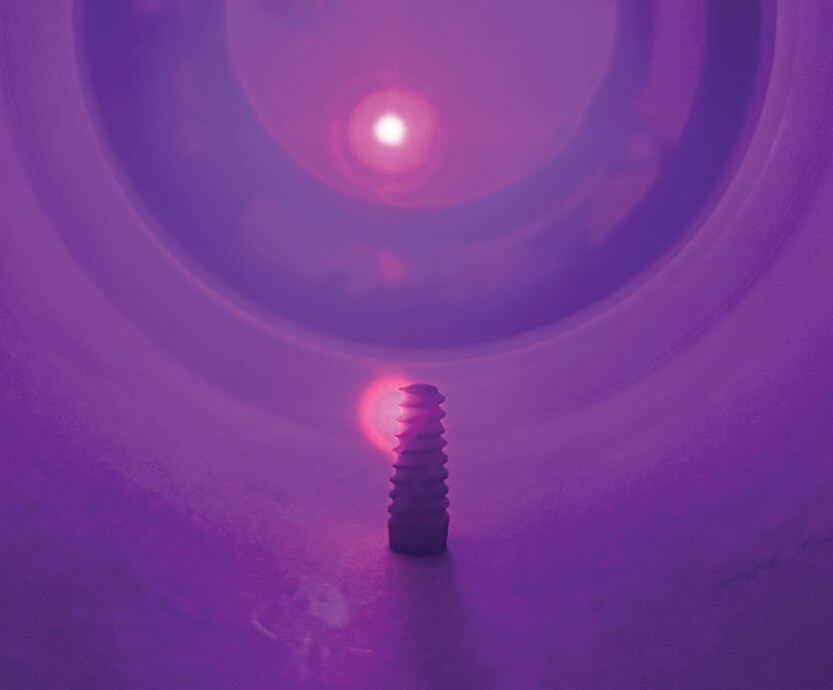
Beyond Conventional SLA Surfaces
Thanks to plasma activation:
- Hydrocarbon contamination is eliminated.
- Surface energy is increased to its maximum level.
- A superhydrophilic surface character is achieved.
- The contact angle is significantly reduced.
- Blood and biological fluids spread immediately and uniformly over the surface.
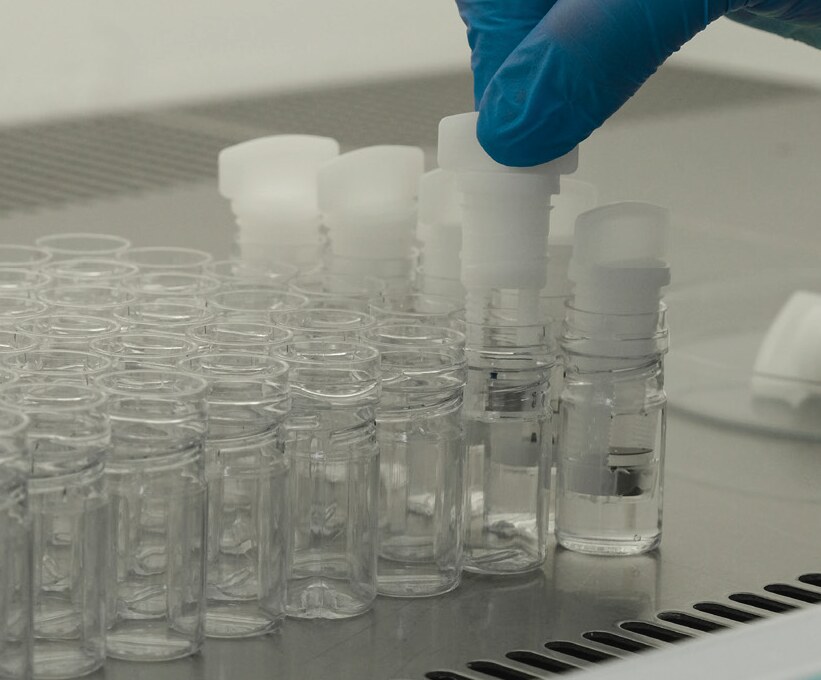
Active Surface, Preserved Performance
To maintain the superhydrophilic character, the implants are stored in solution. This ensures that:
- Surface activity remains stable until the moment of clinical application.
- Atmospheric contamination is prevented.
- Hydrophilic performance is preserved.
Critical superiority in contact angle.
As clearly demonstrated in the wettability comparison, the Plasma-Activated Surface absorbs the liquid, whereas the conventional SLA surface retains it. A low contact angle means:
- Rapid fibrin organization
- Increased protein adsorption
- Early osteoblast adhesion
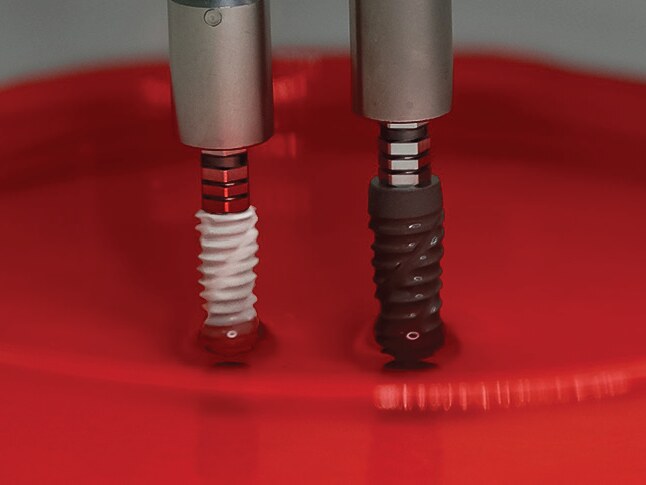
Contact angle by surface treatment
Lower is better
100.276°
Machined Titanium Surface
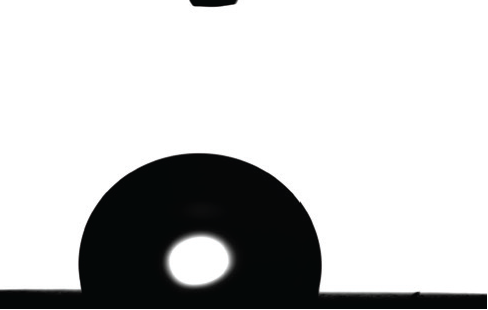
70.832°
Sandblasted Titanium Surface
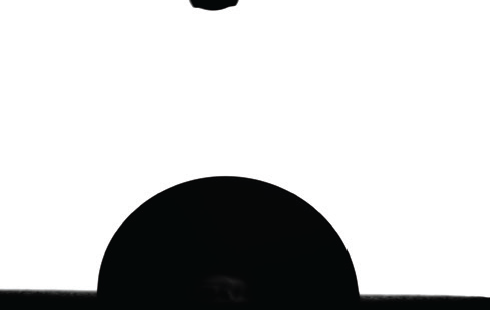
51.804°
SLA Surface
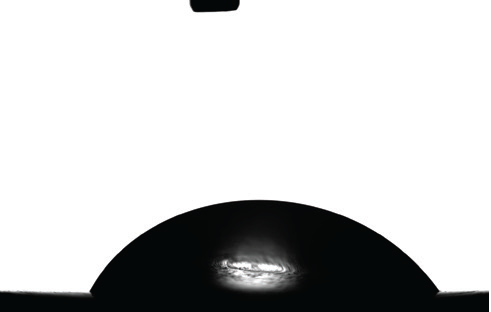
4.42°
Plasma-Activated Surface

Higher surface energy. Lower contact angle. Faster biological initiation.
Every biological advantage gained in the early phase forms the foundation of long-term stability.
From microstructure to macro stability.
The Plasma-Activated Surface ensures maximum contact with the trabecular bone structure. Mechanical retention is enhanced by biological activation. This combination is designed to provide:
- Increased bone-to-implant contact
- Strong early stability
- More predictable osseointegration
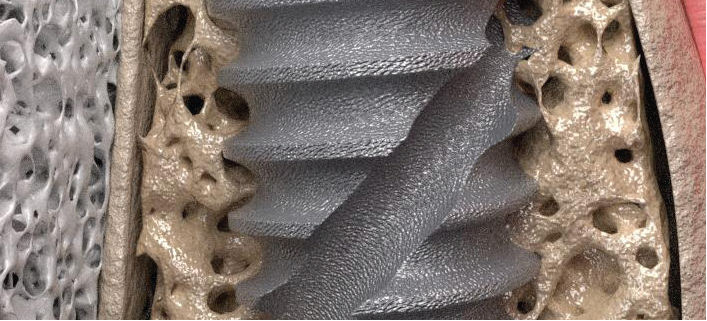
Micro-Rough Topography
Surface roughness Ra ≈ 1.5–2.0 µm, an optimal roughness level.
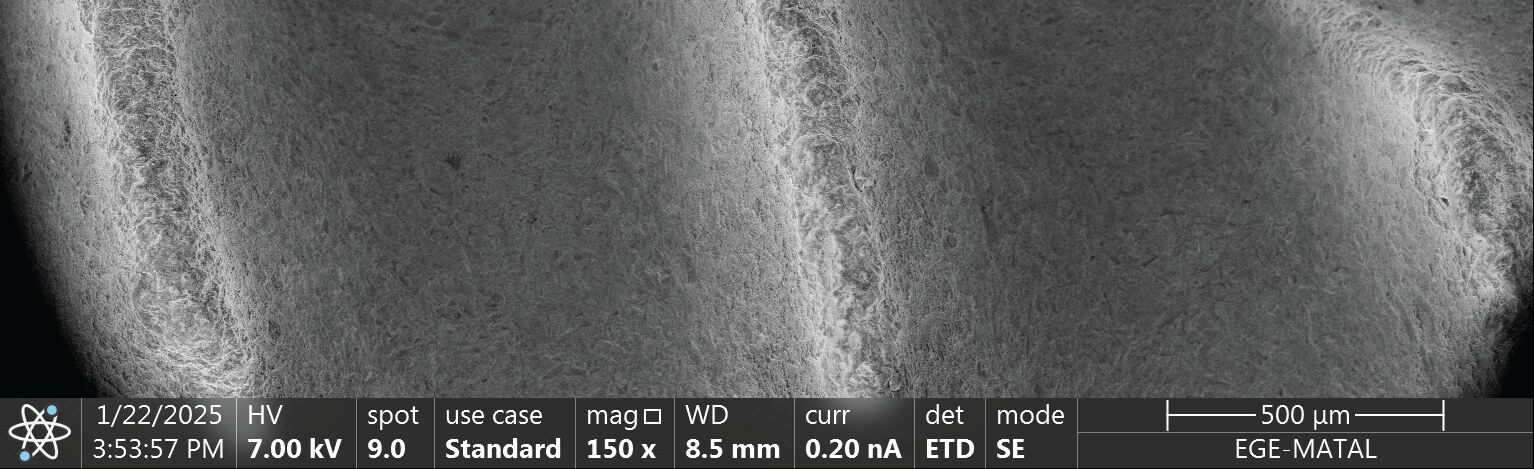
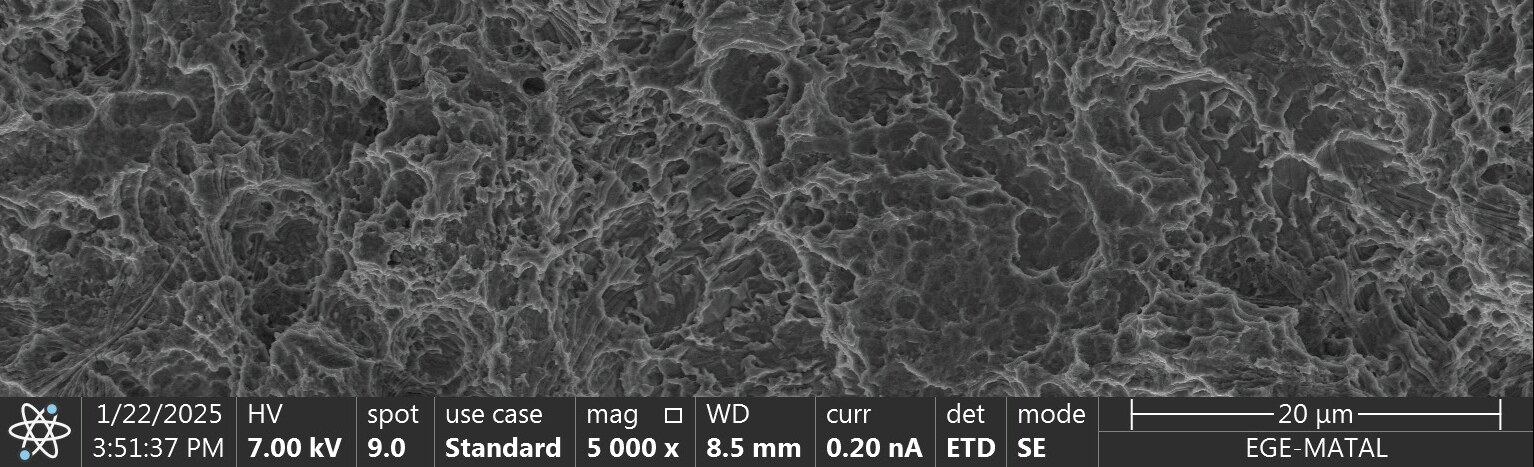
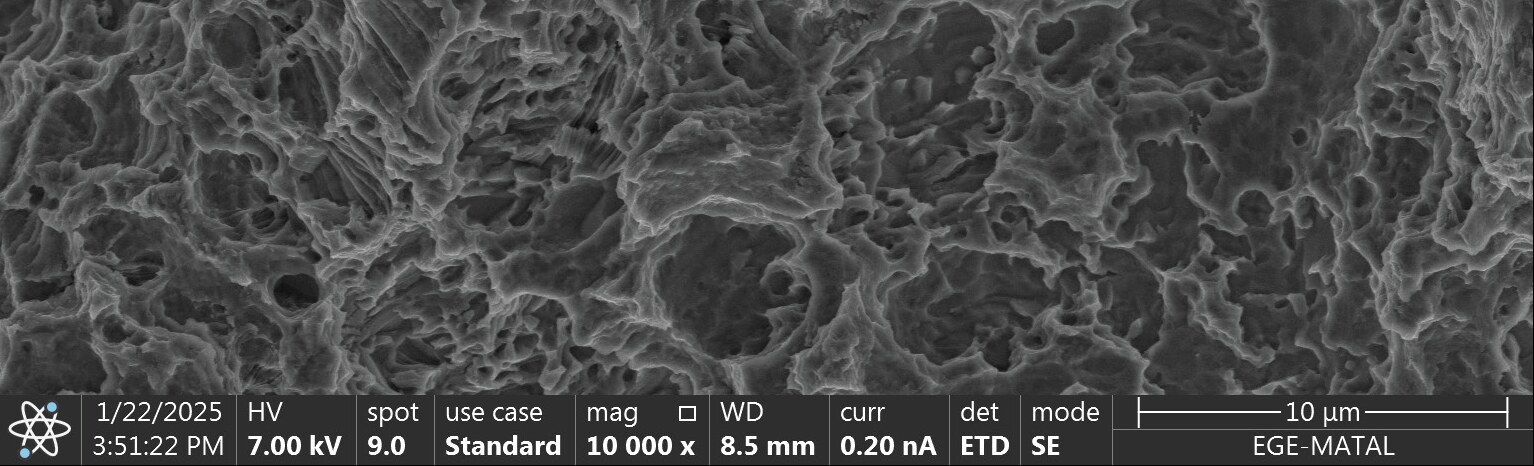
SLA surface vs Plasma-Activated Surface
Clinical success rate (sand-blasted, large grit acid-etched) sandblasting with 250–500 grit acid etching.
Following SLA surface treatment (sandblasting with 250–500 µm grit + acid etching), vacuum plasma treatment is applied to create a highly hydrophilic surface and eliminate hydrocarbons.
Surface Topography Ra ≈ 1.5–2.0 µm
Surface Topography Ra ≈ 1.5–2.0 µm
Same topography, different surface chemistry
Contact Angle >50°
Hydrophobic
Contact Angle <20°, with active surface preservation through storage in solution.
High hydrophilicity
Cell adhesion begins within the first 24–48 hours
Cell attachment and protein adsorption increase within the first 1–4 hours.
Osteoblast proliferation increases within 3–7 days.
A marked increase in osteoblast proliferation is observed within 1–3 days.
Faster cellular activation
Osseointegration time: 4–6 weeks.
Early loading is not recommended.
Osseointegration time: 2–3 weeks
Suitable for early prosthetic loading.
Bone-to-Implant Contact Percentage 60–70%
Mean value at week 6
Bone-to-Implant Contact Percentage 75–85%
Can be observed even by week 3
Challenging cases: smokers (80–88%), diabetes (85–90%), low bone density (generally 3–6 months), early loading (92–95%)
Challenging cases: smokers (94–96%), diabetes (95%+), low bone density (prosthetic loading possible within 3–4 weeks), early loading (97%+)
Clinical success rate >95%
Supported by long-term data
Clinical success rate >97%
Early success and rapid integration
The next level in surface engineering.
See diameters, lengths and every reference code, or request the implant directly.